%2Ffit-in%2F250x250%2Fguide_websites%2F133276%2Fimages%2F1778815749727scottflogo.png&w=1200&q=100)
Permit Fishing in Tavernier FL with Captain Scott Ferguson
Permit Fishing in Tavernier - What to Expect
%2F%2Fusers%2F027a9fd6-4329-464b-8ae7-3d27ea32e2ce%2Fimages%2Ftavernier-permit-fishing-success-2484.jpg&w=1200&q=75)
Fishing Charter by Captain Scott Ferguson in May
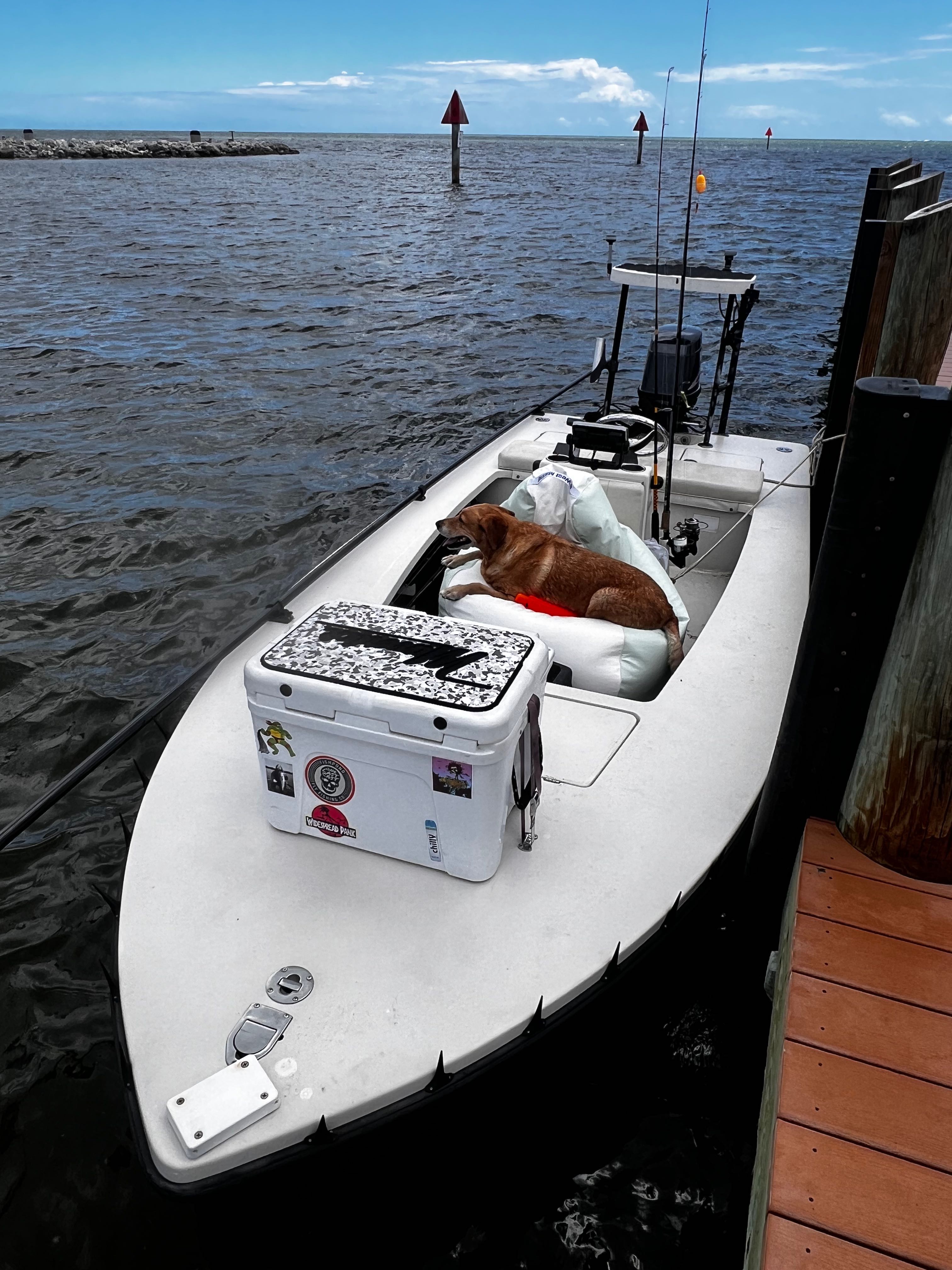
Meet your Captain Scott Ferguson
- Florida Keys fly fishing with a local guide


Summary
Join Captain Scott Ferguson on a Thursday, May fishing charter in Tavernier for an exciting permit fishing experience. This guided trip showcases the technical skill and precision required to hunt one of the ocean's most challenging gamefish in pristine Florida Keys waters.
Fishing Charter with Captain Scott Ferguson - Rates & Booking
Captain Scott Ferguson of Fishwater Fly Fishing guides permit fishing charters on Thursday, May in the waters around Tavernier. These specialized trips target permit, one of the most technically demanding saltwater species to pursue. Contact Fishwater Fly Fishing directly to inquire about current rates, availability, and booking details for your permit fishing adventure in the Florida Keys.
Captain Ferguson brings years of local expertise navigating the shallow flats and mangrove systems where permit are found. His knowledge of seasonal patterns, tidal movements, and permit behavior ensures you're fishing during prime conditions. All trips are guided with professional instruction tailored to your skill level, whether you're a seasoned angler or expanding your saltwater experience.
Highlights of Permit Fishing with Fishwater Fly Fishing
Permit fishing in Tavernier represents some of the most rewarding saltwater angling in the United States. These fish demand precision casting, reading water conditions, and understanding subtle feeding cues. The mangrove-lined flats and deeper channels around Tavernier create ideal habitat where permit congregate, offering genuine opportunities for anglers ready to accept the challenge.
The Florida Keys environment provides stunning natural beauty alongside world-class fishing. Shallow, clear water allows sight-casting opportunities where you can actually see permit approaching your fly. Success here builds real skills and delivers the genuine satisfaction that comes from taking on a trophy species known for its intelligence and fighting ability.
Local Species Insights: Permit
Permit are silver-colored gamefish with a distinctive dark spot on their tail and a compressed body built for speed and agility in shallow water. These fish inhabit the flats, channels, and mangrove systems throughout the Florida Keys, where they feed on crustaceans and small fish in water depths ranging from inches to several feet.
What makes permit so challenging is their combination of wariness and selective feeding behavior. They possess excellent eyesight and lateral line sensitivity, detecting vibrations and changes in their environment from surprising distances. Successful permit fishing requires reading their mood, understanding feeding windows, and executing precise presentations. A spooked permit can disappear instantly, requiring patience, focus, and immediate response to opportunities.
Permit spawn in deeper waters during late spring and summer months, but year-round populations inhabit the shallow flats. They're most active during rising tides when water covers the flats more completely, though feeding windows exist throughout the day. Temperature, light conditions, wind direction, and water clarity all influence permit location and willingness to feed.
Captain Ferguson's local knowledge includes understanding how these variables shift seasonally and daily, helping position you where permit are actively feeding. The Tavernier area offers reliable permit populations and consistent conditions that produce results for dedicated anglers willing to work for their catch.
Plan Your Permit Fishing Day
A typical permit fishing charter targets sight-casting opportunities on shallow flats where permit are visible to anglers. Early morning light and mid-afternoon periods often provide the best conditions. Bring appropriate clothing for sun and wind exposure on the water, polarized sunglasses for spotting permit, and the willingness to cast repeatedly while waiting for feeding fish to appear.
Permit fishing requires focus and physical endurance, but the reward of hooking and fighting one of these powerful fish makes every cast worthwhile. Captain Ferguson will position the boat, help you locate permit, and coach you through the approach and presentation. Even when fish don't cooperate, the experience of hunting permit in the mangrove-lined waters provides genuine saltwater adventure.
Fishing in Florida Keys: Permit
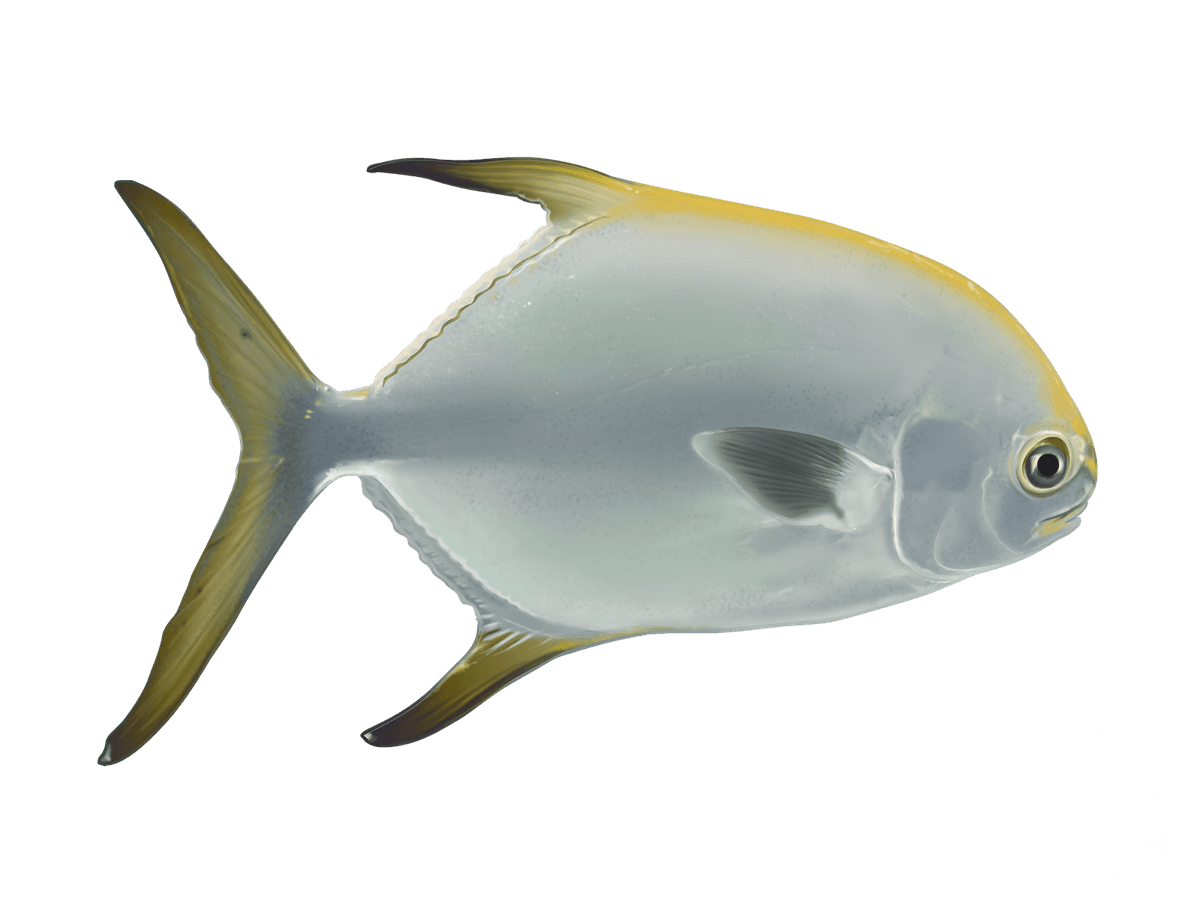
Permit Overview
The Permit (Trachinotus falcatus) is a member of the Carangidae family within the order Perciformes, and it stands as one of the most challenging and rewarding gamefish in saltwater angling. Known affectionately as the "Rough Back" due to the dark markings on its dorsal fin, this tall, compressed fish is instantly recognizable by its silvery scales, deeply forked tail, and distinctive orange coloration on its chin, fins, and belly. What makes the Permit so special—and so difficult to fool—are those remarkable golf ball-sized eyes that can rotate nearly 360 degrees, granting the fish exceptional vision and an uncanny ability to detect your every movement. Whether you're wading the flats of Florida or exploring the Caribbean Islands, a hooked Permit is an experience that will stay with you forever.
Permit Habitat and Distribution
Permit are found throughout a wide range of saltwater environments across the Atlantic, Gulf, and Caribbean waters. Their distribution stretches as far north as Massachusetts and as far south as Brazil, though they thrive in warmer climates where they're most abundant. Juvenile Permit school together inshore on sandy seagrass flats, mud flats, and shallow channels, sometimes venturing into brackish water where food is plentiful. As they mature, they become more solitary and migrate to deeper waters, taking residence around offshore wrecks, oil platforms, jetties, and artificial reefs. The flats of South Florida have earned worldwide fame as the premier Permit destination, where these fish are notoriously more challenging to catch than even Bonefish or Tarpon. The Caribbean Islands also offer exceptional opportunities year-round, making them ideal travel destinations for dedicated Permit anglers.
Permit Size and Weight
The common Permit averages around 36 inches in length, though they can stretch up to 48 inches and weigh as much as 60 pounds. The world fishing record stands at an impressive 60 pounds 8 ounces, a testament to the size these fish can achieve. Most anglers will encounter specimens ranging from 24 to 40 inches, with weights between 9 and 40 pounds being typical for productive fishing grounds. Permit grow remarkably fast during their first five years of life, reaching impressive sizes quickly before their growth rate slows. These fish can live to approximately 23 years of age, though parasites and bacterial infections can sometimes shorten their lifespan.
Permit Diet and Behavior
Permit are dedicated bottom feeders with a strong preference for crustaceans, particularly blue crabs, which they root out from sandy and grassy bottoms with remarkable precision. They hunt methodically along flats during shallow water periods, using their exceptional eyesight to locate prey in murky and clear conditions alike. Juvenile Permit display schooling behavior, hunting cooperatively in groups on the flats, while adults become increasingly solitary as they age. Their behavior is highly influenced by water conditions, light levels, and tide movements. On calm, clear days with proper lighting angles, Permit can be spotted cruising the shallows—sometimes in water barely two feet deep despite their tall stature—searching for their next meal. This predictable foraging behavior, combined with their visual prowess, makes them notoriously spooky and cautious around anglers, earning their reputation as one of saltwater's most intelligent and elusive gamefish.
Permit Spawning or Seasonal Activity
Permit typically spawn during spring and summer months, though in warmer climates they may spawn year-round. These fish are multiple batch spawners, meaning a single female can produce eggs multiple times throughout a single season, contributing to healthy population dynamics. Reproduction takes place in offshore deep waters, far from the shallow flats where juveniles develop. The prime season for catching Permit coincides directly with their spawning season, running from April through October, when fish are most active and feeding aggressively to fuel reproductive efforts. However, Permit can be successfully caught year-round in temperate waters, particularly in South Florida and the Caribbean where water temperatures remain favorable throughout the calendar.
Permit Techniques for Observation and Capture
Live Bait Method: This is the most traditional and productive approach for Permit fishing. Use medium-weight rods paired with baitcasting reels spooled with 20-pound braided line and a 30-pound monofilament or fluorocarbon leader. Live blue crabs are the gold standard bait—rig them on 2/0 to 4/0 circle hooks for superior hookups. Vertical jigging below the boat works exceptionally well in deeper water around reefs and structures, helping you avoid costly snags while maintaining contact with bottom-dwelling Permit.
Fly Fishing Method: For shallow water pursuit, a 12-weight fly rod is ideal for delivering crab imitations with enough force to turn the fish in shallow flats. Crab-pattern flies like the Crabby Patty and McCrab are proven producers. Soft plastic imitations such as Berkley Gulp saltwater peeler crabs and D.O.A. soft shell crab lures offer excellent realism and action, rigged on circle hooks for clean, dependable hooksets. Around South Florida's flats, timing your wade early morning or late afternoon during clear water conditions dramatically improves your chances of spotting cruising fish before they spot you.
Sight Fishing Method: The most exciting and challenging approach involves poling shallow flats in search of tailing or cruising Permit. Use polarized sunglasses to cut glare and scan the bottom carefully. Once located, make a deliberate cast ahead of the fish's path, allowing your bait or fly to settle naturally into the Permit's feeding zone. Patience and stealth are paramount—any abrupt movement or heavy splashing will send these fish racing to deeper water.
Permit Culinary or Utilization Notes
Permit possess good eating quality with firm, white meat that's well-regarded in many culinary traditions, particularly in Caribbean and South American cuisine. The flesh has a mild, slightly sweet flavor and takes well to grilling, baking, and pan-searing. However, among modern anglers, Permit are increasingly practiced as catch-and-release fish due to their exceptional challenge and value as a trophy experience. Many dedicated flats fishermen view every Permit hooked and landed as a major personal achievement worthy of preservation and story-telling rather than consumption. If you do choose to keep a Permit, ensure it meets local regulations and consider the sustainability of local populations before harvesting.
Permit Frequently Asked Questions
Q: What is the best bait for catching Permit?
A: Live blue crabs are the standard and most effective bait for Permit fishing. They naturally occur in the fish's habitat and trigger predatory responses that artificial lures struggle to replicate. Soft plastic crab imitations are excellent alternatives when live bait is unavailable, and fly-fishermen have excellent success with crab-pattern flies.
Q: Where can I find Permit near Florida?
A: South Florida's flats, particularly in areas like the Florida Keys, Biscayne Bay, and the Everglades backcountry, are world-renowned Permit destinations. These shallow, grass and mud flats provide ideal habitat for both juvenile schooling fish and larger solitary adults. Charter captains in Miami, Key West, and Islamorada specialize in Permit fishing.
Q: Is Permit good to eat?
A: Yes, Permit has good culinary qualities with firm, mild white meat. However, most modern anglers practice catch-and-release due to the species' exceptional challenge and the satisfaction derived from the fishing experience itself rather than the meal.
Q: When is the best time to catch Permit?
A: The prime season runs April through October, coinciding with spawning activity when fish are most aggressive. However, Permit can be caught year-round in temperate waters like South Florida. Early morning and late afternoon often provide the best visibility and fish activity on shallow flats.
Q: How difficult is it to catch a Permit compared to other gamefish?
A: Permit are considerably more challenging than Bonefish or Tarpon in most situations. Their exceptional eyesight, spooky nature, and selective feeding behavior make them one of saltwater's most difficult quarries. Many anglers spend years pursuing Permit before landing their first fish.
Q: What rod and reel setup should I use for Permit?
A: For live bait fishing, use a medium-weight rod with a baitcasting reel spooled with 20-pound braided line and a 30-pound monofilament or fluorocarbon leader. For fly fishing in shallow water, a 12-weight fly rod provides the necessary power to deliver flies effectively and turn hooked fish.