%2Ffit-in%2F250x250%2Fguide_websites%2F133276%2Fimages%2F1778815749727scottflogo.png&w=1200&q=100)
Shallow Water Fishing Charter in Tavernier FL
Shallow Water Fishing in Tavernier - What to Expect
%2F%2Fusers%2F027a9fd6-4329-464b-8ae7-3d27ea32e2ce%2Fimages%2Ftavernier-flats-fishing-boat-2611.jpeg&w=1200&q=75)
Fishing Charter by Captain Scott Ferguson in May
Meet your Captain Scott Ferguson
- Florida Keys fly fishing with a local guide


Summary
Join a fishing charter in the Florida Keys near Tavernier with Captain Scott Ferguson of Fishwater Fly Fishing. This Friday in May offers anglers the opportunity to fish clear shallow waters where precision casting and sight fishing techniques reveal the hidden world of backcountry species. Discover what makes these pristine flats prime habitat for seasonal fishing.
Fishing Charter with Captain Scott Ferguson - Rates & Booking
Captain Scott Ferguson of Fishwater Fly Fishing on Friday, May 23rd offers an authentic shallow water fishing experience in Tavernier. This hands-on charter puts you directly on some of Florida Keys' most productive flats, where clear water and good visibility create ideal conditions for sight-based fishing. Contact Fishwater Fly Fishing to reserve your spot and discuss charter details, group size, and any specific fishing goals you have in mind.
Highlights of Your Tavernier Fishing Experience
The waters around Tavernier are known for their remarkable clarity and shallow depths, typically ranging from 1 to 4 feet. This shallow environment creates an intimate fishing experience where you can actually see the bottom structure, vegetation patterns, and fish behavior as it unfolds. The clarity of these flats is a direct result of the limestone bedrock and natural filtration system unique to the Florida Keys, making it an educational opportunity to understand how marine ecosystems thrive in shallow environments.
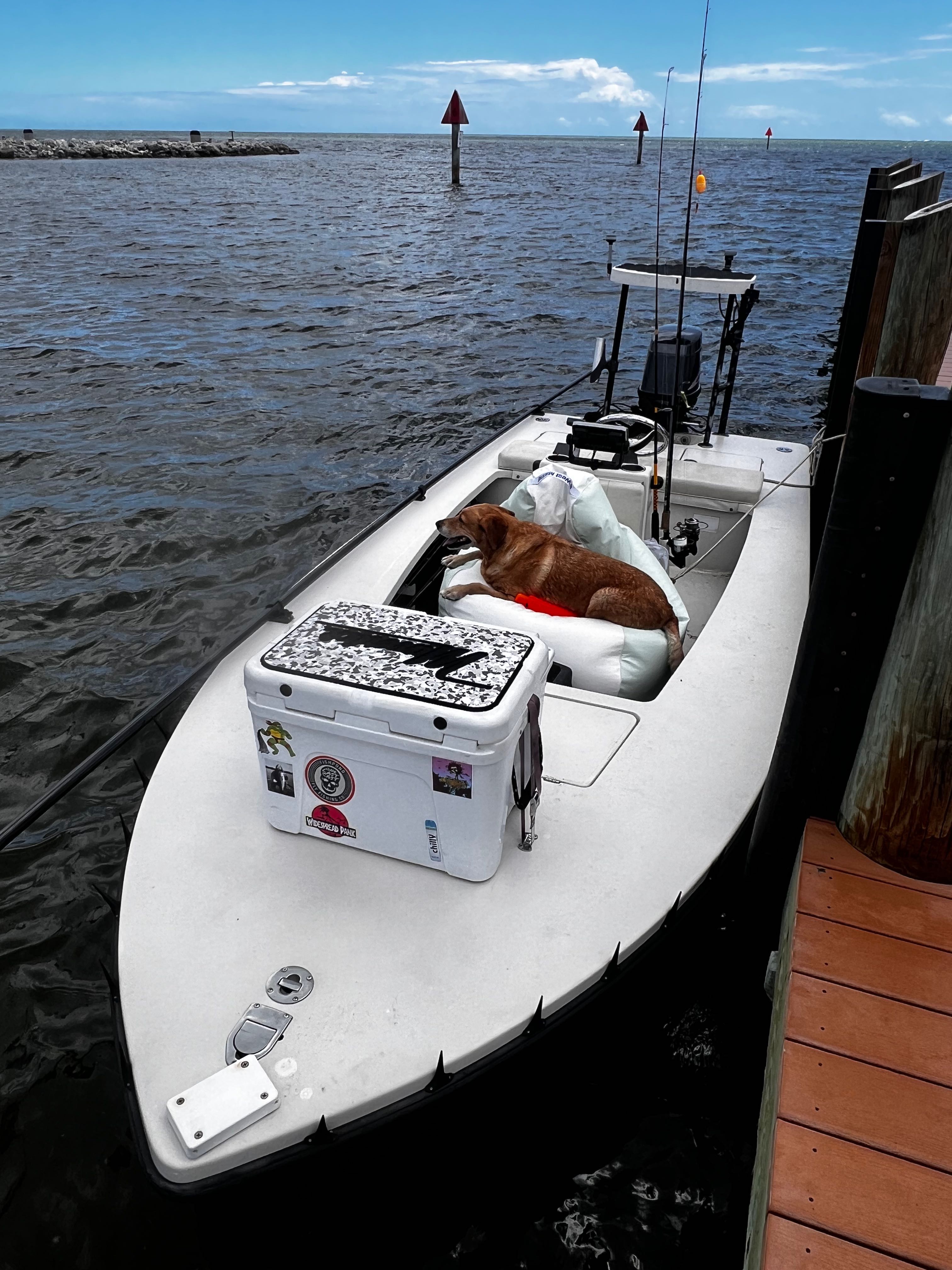
Fishing from a properly positioned boat on these flats requires skill and patience. The shallow draft vessel allows access to areas where deeper boats cannot venture, revealing habitat that holds numerous species throughout the season. Anglers learn to read water color changes, spot nervous water that indicates feeding fish, and present their offering with precision casting techniques. This sight-fishing approach connects anglers directly to the marine environment in ways that offshore or deeper water fishing cannot replicate.
Local Fishing Insights: Tavernier Flats Experience
Tavernier sits within the Florida Keys' backcountry system, where shallow flats meet mangrove shorelines and scattered patch reefs. The waters here are fed by natural tidal flows and seasonal patterns that create predictable feeding windows. Clear water allows fish to be more selective about their food sources, which is why presentation technique matters as much as location. Anglers working these flats develop better understanding of fish behavior because they can observe how species respond to environmental cues like light intensity, water temperature fluctuations, and tidal movement.
The shallow water environment teaches fundamental fishing principles that transfer across all species and conditions. Learning to read bottom composition, identify feeding signs, and adjust tactics based on real-time observations sharpens skills that benefit anglers regardless of where they fish. The educational value of sight fishing in clear shallow water makes Tavernier a premier destination for anglers wanting to deepen their understanding of marine fish behavior and habitat preferences.
The natural scenery around Tavernier includes mangrove ecosystems that provide nursery habitat for juvenile fish species and shelter during periods of strong tide or current. These mangrove-lined channels connect the shallow flats to deeper water, creating migration corridors that concentrate fish during seasonal transitions. Understanding this habitat connection helps anglers anticipate where fish move throughout the day and across seasons.
Plan Your Tavernier Fishing Day
Charter operations in Tavernier typically work around tidal cycles, with early morning and late afternoon often providing the best light and fish activity. The shallow water environment means the boat can be positioned to sight-cast to visible targets, making the experience visual and engaging throughout the day. Anglers should dress in layers as morning temperatures on the water can be cool even during warm months, with sun exposure becoming significant once the day progresses. Polarized sunglasses are essential for seeing through the water surface glare and spotting fish movement. Bring adequate fresh water and sun protection, as the reflection off shallow flats intensifies UV exposure. The boat setup typically positions the angler on the bow for casting while the captain positions and poles the boat to present opportunities. This hands-on approach means you're actively engaged in locating and pursuing fish rather than passively waiting for strikes.