%2Ffit-in%2F250x250%2Fguide_websites%2F133276%2Fimages%2F1778815749727scottflogo.png&w=1200&q=100)
Catch Bonefish in Tavernier FL with Captain Scott Ferguson
Bonefish Fishing in Tavernier - What to Expect
%2F%2Fusers%2F027a9fd6-4329-464b-8ae7-3d27ea32e2ce%2Fimages%2Ftavernier-bonefish-catch-flats-fishing-2479.jpg&w=1200&q=75)
Fishing Charter by Captain Scott Ferguson in May
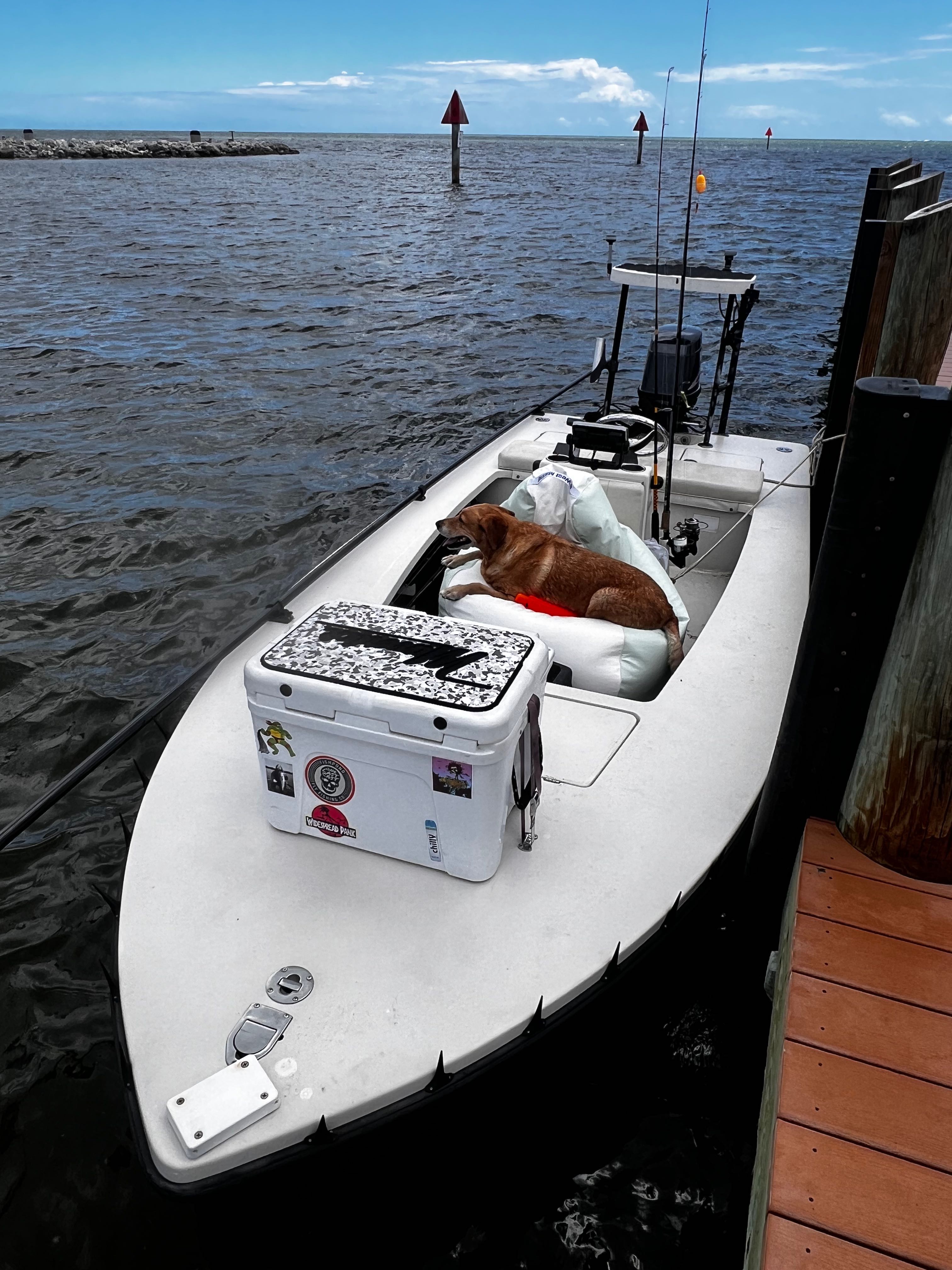
Meet your Captain Scott Ferguson
- Florida Keys fly fishing with a local guide


Summary
Join a fishing charter in the Florida Keys near Tavernier on Thursday, May 15th to pursue bonefish in crystal-clear shallow waters. Captain Scott Ferguson brings local expertise and proven techniques to help you connect with these elusive shallow-water hunters. This immersive angling experience showcases why the Keys remain a premier bonefish destination.
Fishing Charter with Captain Scott Ferguson - Rates & Booking
Captain Scott Ferguson of Fishwater Fly Fishing operates Thursday, May 15th in Tavernier's legendary shallow flats. This dedicated fishing charter puts you on the water where bonefish patrol sun-dappled shallows, their silver sides flashing as they hunt across sandy bottoms. Captain Scott's local knowledge transforms your day into a genuine pursuit rather than a casual outing - you'll learn to read the water, spot subtle movements, and understand how these fish navigate their environment.
The experience centers on sight-casting in clear, shallow water where every cast matters and every fish is a visible target. Whether you're a seasoned angler or discovering bonefish for the first time, the charter adapts to your skill level and preferences. The combination of technical casting, environmental awareness, and the raw excitement of hooking a bonefish makes this a memorable day on the Florida Keys waters. To book your charter and reserve your spot, contact Fishwater Fly Fishing directly for current rates and availability.
Highlights of Tavernier Bonefish Fishing
The shallow flats surrounding Tavernier offer some of the most accessible and reliable bonefish action in the Keys. You'll work waters ranging from ankle-deep to waist-deep, where the sandy bottom creates a natural stage for spotting feeding fish. The visibility is exceptional on clear days - you can track bonefish movements from considerable distance, building anticipation with every sighting.
Captain Scott's expertise extends beyond casting instruction to reading subtle signs: nervous water, mud clouds from feeding fish, and the characteristic tail movements that reveal a bonefish's presence. The flats environment itself becomes part of the experience - the sound of shallow water lapping against the hull, the visual search pattern that becomes almost meditative, and the sudden explosive strike when a bonefish commits to your fly.
Local Species Insights: Bonefish
Bonefish are the ghosts of the flats - elusive, intelligent, and built for speed in shallow water. These silver-sided predators have earned their reputation as one of saltwater angling's most challenging and rewarding targets. Their streamlined bodies and dark upper sides provide natural camouflage against the sandy flats, making them difficult to spot until they're in motion.
What makes bonefish remarkable is their behavioral sophistication. They hunt by feel and smell as much as sight, probing the sand bottom for small crustaceans and baitfish. When they feed, they often position themselves tail-up, creating the telltale sign that guides look for during poling the flats. Bonefish schools vary in size from singles and pairs to large aggregations, each requiring different tactical approaches.
In the Tavernier area, bonefish congregate on the flats during favorable tides and light conditions. The sandy, shallow-water habitat provides ideal hunting grounds, but it also makes bonefish hyperaware of any disturbance. A poorly placed cast, rushed approach, or sudden movement in the boat can send them fleeing at remarkable speed. This is where Captain Scott's experience becomes invaluable - he knows how to position the boat, read current and wind, and guide your casting sequence to maximize opportunities while respecting the fish's natural wariness.
The strike itself is unforgettable. Unlike many saltwater species, bonefish don't hit aggressively. Instead, they take your fly with confidence and immediately run - first in a blistering initial burst, then with determined head-shaking power. The shallow water amplifies every movement; you feel the entire encounter directly through your rod and line. Fighting a bonefish in ankle-deep water tests your technique, patience, and presence of mind.
Tavernier's specific waters have produced consistent bonefish action for decades. The combination of proper depth, substrate composition, and forage availability creates an environment where bonefish thrive. Seasonal patterns affect abundance and location - spring and fall typically bring the most active fishing - but year-round opportunities exist for dedicated anglers willing to adapt to conditions.
The experience of hunting bonefish transforms how you see shallow-water fishing. You develop an appreciation for the subtleties of the environment, the intelligence of your quarry, and the satisfaction that comes from executing a complete sequence flawlessly: spotting the fish, positioning correctly, making the cast, and executing the fight. Captain Scott facilitates this learning with patience and genuine passion for the fishery.
Fishing in Florida Keys: Bonefish
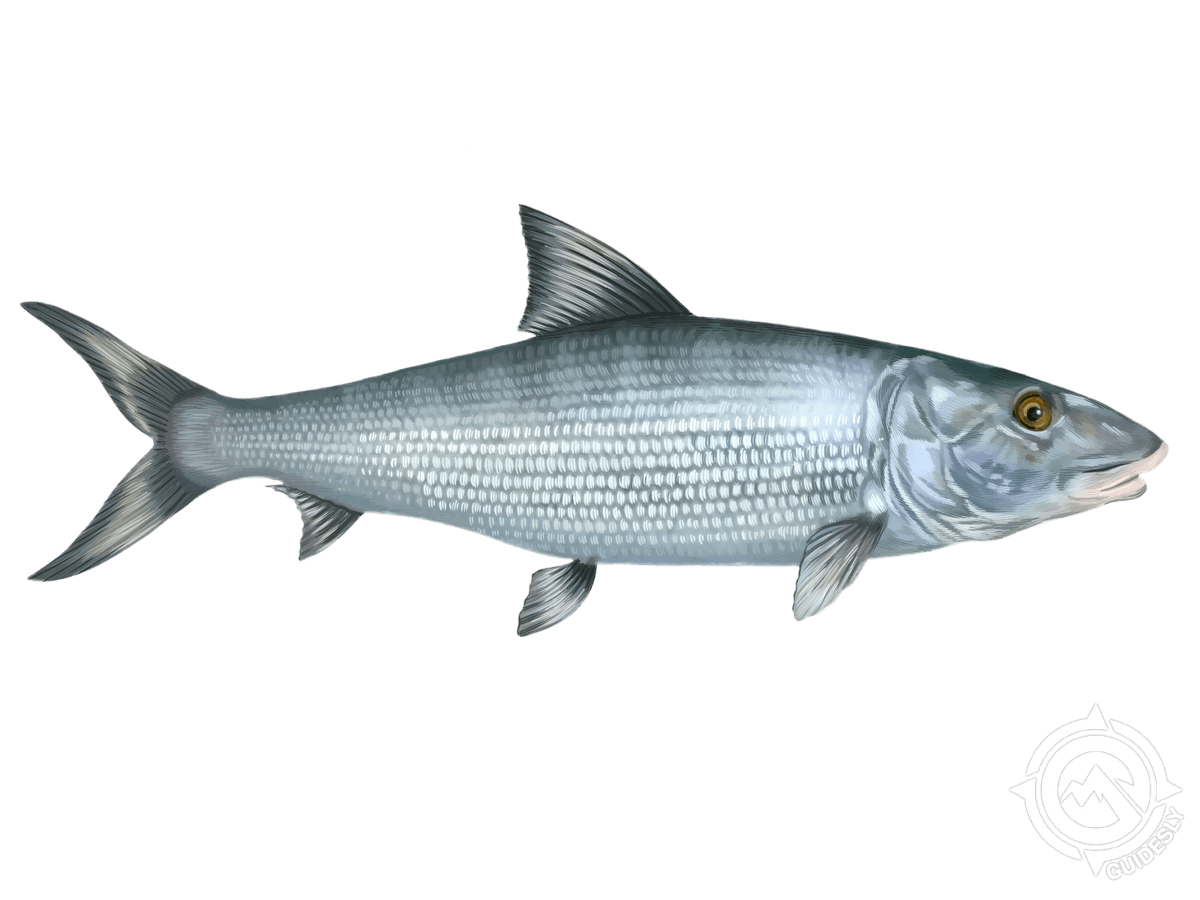
Bonefish Overview
Bonefish (Albula Vulpes), belonging to the family Albulidae and order Albuliformes, are one of the most prized and challenging saltwater game fish in the world. Often called the Silver Ghost or White Fox, these sleek predators feature an elongated, torpedo-shaped body covered in brilliant silvery scales that reflect the ocean floor like a mirror. Their distinctive blue-greenish backs with dark streaks provide exceptional camouflage on muddy flats, making them notoriously difficult to spot and catch. What truly sets bonefish apart is their legendary speed—reaching 30 mph and capable of taking 100 yards of line in a blistering run—and their unique behavior of tailing in shallow water while hunting for food. For anglers visiting tropical destinations like the Bahamas or Florida Keys, bonefishing represents the ultimate test of skill, patience, and precision.
Bonefish Habitat and Distribution
Bonefish inhabit a wide geographic range spanning the Atlantic Ocean, Gulf of Mexico, Pacific Ocean, and Caribbean Sea. Their distribution extends from the Florida Keys and Biscayne Bay through the Bahamas, Caribbean islands, Cuba, and along Florida's coasts. These fish display fascinating tidal behavior, migrating from deeper waters—down to about 300 feet—into shallow mudflats as the tide rises to hunt for food. In the flats, you'll find them in water as shallow as 4 inches deep, making sight-fishing possible for patient anglers. The best bonefishing locations offer pristine shallow-water ecosystems with sandy and muddy bottoms, seagrass beds, and mangrove-lined backcountry waters that provide ideal feeding grounds.
Bonefish Size and Weight
Adult bonefish typically measure between 16 and 41 inches in length, with most averaging 6 to 8 pounds. Exceptional specimens can reach 16 pounds or more, with females generally growing larger than males throughout their lifespan of up to 20 years. The size variation depends significantly on habitat quality, food availability, and the specific geographic region. Florida and Bahamian populations tend to produce larger, more robust fish, while younger bonefish or those from food-limited areas run smaller. For anglers, hooking a 12-plus-pound bonefish remains a serious accomplishment worthy of celebration.
Bonefish Diet and Behavior
Bonefish are dedicated carnivores with specialized feeding adaptations perfectly suited to life on the flats. They hunt primarily in shallow mudflats, targeting crabs, shrimp, small fish, and various invertebrates including worms and snails. Their inferior mouth and distinctive conical snout—extending a third of their body length beyond the mandible—allow them to dig through the seabed to root up hidden prey. Even more fascinating, bonefish possess granular teeth forming specialized dental plates on their upper jaw, tongue, and throat, enabling them to grind through tough mollusks and crustaceans. When feeding, they often break away independently or in small groups to search for food, though they sometimes school together while cruising deeper water. One of their most iconic behaviors is tailing—when their tails slap the water's surface as they search the bottom, providing a visual signal that attracts sight-casting anglers. These fish are remarkably intelligent and possess keen senses, including excellent vision and lateral line sensitivity, making them extraordinarily difficult to approach without spooking.
Bonefish Spawning and Seasonal Activity
Bonefish exhibit predictable daily migration patterns rather than traditional spawning runs. They make short daily migrations following the tide from coastal deeper waters to shallow mudflats to hunt for food, then retreat to deeper water during low tide or when conditions become unfavorable. This tidal rhythm is crucial for successful bonefishing—the best fishing typically occurs around low tide when bonefish concentrate their feeding activity on the flats. Bonefishing remains productive year-round in tropical locations like the Bahamas and Florida Keys, though seasonal weather patterns and water temperature fluctuations can influence fish behavior and availability. Spring and fall often provide excellent conditions with comfortable weather and active fish populations, while winter brings cooler water that can slow feeding activity, and summer heat can push fish into deeper refuges during midday hours.
Bonefish Techniques for Observation and Capture
Sight-Casting and Stalking: The most effective bonefishing method involves wading or poling a shallow-draft skiff through flats while actively looking for tailing fish or cruising schools. Once spotted, anglers must make precise casts ahead of the fish's path to intercept without spooking them. Success demands stealthy movement, accurate casting at distances of 30 to 60 feet, and the ability to work flies or lures with delicate presentations. Around the Florida Keys, many guides recommend approaching schools from their flanks rather than head-on, placing casts on the outer edges of groups before working toward the center. The key is patience—sometimes waiting motionless for cruising fish to come to you proves more productive than aggressive stalking.
Fly Fishing and Light Tackle: Bonefishing with flies requires 8 to 10-weight fly rods spooled with appropriate saltwater reels and leaders designed for quick turnover and durability. Top fly patterns include the Gotcha (shrimp pattern), Crazy Charlie, Peterson's Spawning Shrimp, Bonefish Slider Fly, and various crab imitations. Light tackle enthusiasts use small jigs ranging from 1/16 to 1/4 ounce, live shrimp, small crabs, and soft-plastic imitations cast ahead of visible fish. The presentation style matters enormously—casts must land beyond the fish's direct line of sight, then be worked slowly and deliberately across the bottom to simulate natural prey movement. In areas like Biscayne Bay, experienced anglers often fish the edges where shallow water meets deeper channels, positioning themselves to intercept fish during their tidal movements.
Tailing Techniques: When bonefish are tailing—their tails breaking the water's surface while feeding—sight-fishing requires extreme precision. Identify specific fish rather than casting into the entire group, start with casts on the school's edges, and work gradually inward. The cast must be delicate and perfectly placed; if you question your distance, add extra feet to avoid spooking the fish. Work patterns from outer edges inward and side to side, always targeting individual fish rather than hoping for random contact. Timing is critical—early morning, late afternoon, and low tide periods around shallow flats typically offer the most tailing activity and best lighting conditions for spotting these elusive fish.
Bonefish Culinary and Utilization Notes
While bonefish can technically be eaten, they're rarely kept for food—particularly in Florida where they hold tremendous sporting value. The flesh is known for its strong flavor and meaty texture with slightly sweet and subtly nutty notes, but bonefish are extremely bony, making fileting challenging and eating cumbersome. More significantly, bonefish can carry the ciguatera toxin commonly found in reef fish, potentially causing food poisoning with symptoms including vomiting and diarrhea. Additionally, in most bonefishing destinations, these fish are celebrated as catch-and-release trophies due to their rarity and the immense skill required to land them. Conservation-minded anglers view bonefishing as a pursuit where the experience and challenge matter far more than consumption, making these fish infinitely more valuable alive and swimming in their shallow-water habitat.
Bonefish Frequently Asked Questions
Q: What is the best bait or lure for bonefishing?
A: Live shrimp and small crabs represent top live-bait choices, while fly patterns like the Gotcha, Crazy Charlie, and crab imitations work exceptionally well. Artificial jigs weighing 1/16 to 1/4 ounce and soft-plastic shrimp or crab imitations also produce consistent results. The best choice depends on water conditions, tide stage, and fish mood on any given day.
Q: Where can I find bonefish near the Bahamas and Florida Keys?
A: Bonefish thrive throughout shallow mudflats, seagrass beds, and mangrove-lined backcountry waters in the Bahamas and Florida Keys. Popular hotspots include Andros Island, the Exuma Cays, Abaco, Biscayne Bay, and the shallow flats surrounding the Florida Keys. Hiring a local guide familiar with specific flats and tidal patterns dramatically increases your chances of success.
Q: What makes bonefishing so challenging compared to other saltwater fishing?
A: Bonefish possess exceptional eyesight, incredible speed (30 mph), and heightened sensitivity to disturbance. Their natural camouflage makes them difficult to spot, and they spook instantly from careless casting or loud movements. Success demands stealthy stalking, precise long-distance casting, and the patience to search for hours without guaranteed contact—a perfect storm of difficulty that makes every hookup a legitimate achievement.
Q: When is the best time to target bonefish?
A: Low tide periods typically offer the most productive bonefishing, as fish concentrate their feeding in shallow water. Early morning and late afternoon provide ideal lighting for spotting fish and avoiding the heat. Spring and fall offer comfortable weather and active populations, though bonefishing remains productive year-round in tropical destinations, with summer requiring early-morning sessions and winter potentially producing slower action due to cooler water temperatures.
Q: Is bonefish good to eat, and should I keep one?
A: While technically edible, bonefish are seldom eaten due to numerous small bones and the risk of ciguatera toxin. More importantly, these remarkable fish hold far greater value as living trophies within the catch-and-release sportfishing tradition. Conservation ethics and the singular challenge of landing a bonefish make releasing your catch the right choice for both the fishery and future anglers.
Q: What's the significance of bonefish tailing?
A: Tailing occurs when bonefish feed in extremely shallow water (sometimes mere inches deep), using their tails for leverage while digging the bottom for prey. Their tails breaking the water's surface create a visual target for sight-casting anglers, representing one of the most thrilling and iconic moments in bonefishing—the opportunity for a blind stalk transformed into a visible, targeted presentation where success hinges entirely on casting accuracy and presentation finesse.