%2Ffit-in%2F250x250%2Fguide_websites%2F133276%2Fimages%2F1778815749727scottflogo.png&w=1200&q=100)
Cutthroat Trout Fishing in Tavernier FL
Cutthroat Trout Fishing in Tavernier - What to Expect
%2F%2Fusers%2F027a9fd6-4329-464b-8ae7-3d27ea32e2ce%2Fimages%2Fcutthroat-trout-tavernier-florida-catch-2459.jpg&w=1200&q=75)
Fishing Charter by Captain Scott Ferguson in May
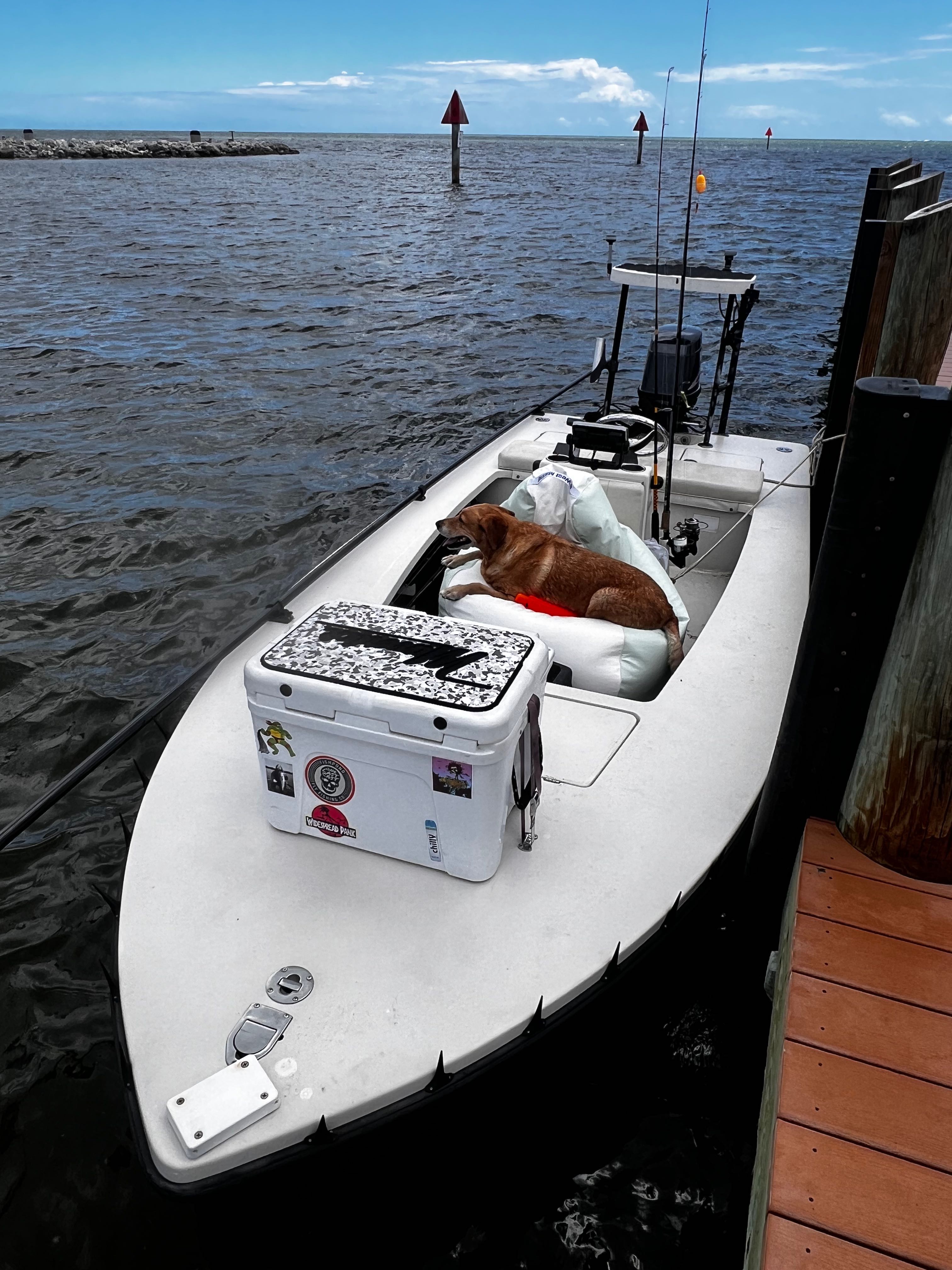
Meet your Captain Scott Ferguson
- Florida Keys fly fishing with a local guide


Summary
Land cutthroat trout on a fishing charter in Tavernier, Florida with Captain Scott Ferguson of Fishwater Fly Fishing. This Thursday in May offers an exciting opportunity to pursue one of Florida's most prized freshwater species in the pristine waters of the Florida Keys.
Fishing Charter with Captain Scott Ferguson - Rates & Booking
Captain Scott Ferguson of Fishwater Fly Fishing offers an exciting fishing charter experience on Thursday in May around Tavernier's pristine waters. This is a fantastic opportunity to get on the water and test your skills against one of Florida's most rewarding species.
To book your fishing charter or learn about current rates and available dates, contact Fishwater Fly Fishing directly. Captain Scott specializes in personalized fishing experiences and can tailor your trip to match your skill level and preferences.
Highlights of Your Fishing Adventure
Fishing in the Tavernier area puts you right in the heart of the Florida Keys, where you'll experience the unique blend of backcountry flats, shallow coastal waters, and pristine natural surroundings. The area is known for its crystal-clear water and abundant marine life, making it an ideal location for both experienced anglers and those looking to learn.
What makes a day on the water here special is the combination of excellent fishing opportunities and the natural beauty of the Keys. You'll be exploring an environment where wildlife thrives and the landscape feels untouched and peaceful.
Local Species Insights: Cutthroat Trout
Cutthroat trout are one of Florida's most sought-after freshwater species, prized for their aggressive strikes and spirited fights on the line. These trout are beautiful fish with distinctive red or orange markings along their lower jaw, which is where they get their name.
In the Tavernier area, cutthroats thrive in the coastal and brackish waters of the Florida Keys. They prefer cooler, well-oxygenated waters and are often found around structure like mangrove shorelines, seagrass beds, and deeper channels. These fish are active hunters that respond well to both live bait and fly presentations, making them exciting to pursue on a guided charter.
The experience of catching a cutthroat trout goes beyond just landing a fish. Watching one rise to take your offering, feeling the explosive take on the line, and then battling the fish across shallow water is an unforgettable moment. Cutthroats are known for their acrobatic jumps and determined runs, especially when hooked in shallow water where they have room to make their move.
Captain Scott's knowledge of where these fish congregate and how they behave in different conditions throughout the day means you'll have a much better chance of connecting with quality fish. Timing, technique, and location all play a role in success, and that's where local expertise makes the difference.
The Florida Keys' unique ecosystem supports healthy populations of cutthroat trout year-round. May is an excellent time to target these fish, as the warming water temperatures encourage feeding activity and the longer daylight hours give you more time on the water to make it all happen.
Fishing in Florida Keys: Cutthroat Trout

Cutthroat Trout Overview
The Cutthroat Trout (Oncorhynchus Clarkii) is a stunning member of the Salmonidae family within the order Salmoniformes, instantly recognizable by its distinctive red or orange slash-like markings running beneath its mandibles. These beautiful fish are native to western North America and have become iconic among fly fishers and outdoor enthusiasts seeking authentic mountain fishing experiences. With 14 recognized subspecies distributed across diverse habitats from British Columbia to northern California, Cutthroat Trout represent one of the most fascinating and variable trout species in the continent. Whether you're exploring Rocky Mountain streams in Colorado or casting lines along Utah's Weber River, encountering a Cutthroat is a memorable experience that connects you to the region's natural heritage.
Cutthroat Trout Habitat and Distribution
Cutthroat Trout thrive in well-oxygenated, clear, and cold bodies of water including moderately deep lakes, shallow rivers, and mountain streams with gravel or rocky bottoms. These fish prefer healthy watersheds with pristine water quality, and you'll commonly find them hiding along submerged vegetation, brush overhangs, beaver dams, and other structure that provides refuge. The species is distributed throughout the Pacific Northwest coast from British Columbia to northern California, the Great Basin, the Cascade Range, and the entire Rocky Mountain system as far north as southern Alberta. Famous Cutthroat waters include Pyramid Lake in Nevada, the Colorado Rockies, and the Weber River in Utah—each offering unique opportunities to encounter different subspecies and populations. The remarkable geographic diversity of Cutthroat subspecies means that local populations have adapted to vastly different environmental conditions, from coastal streams to high-altitude alpine lakes.
Cutthroat Trout Size and Weight
Size variation in Cutthroat Trout is one of the most striking characteristics of the species, ranging dramatically from 8 inches in small creeks to an impressive 39 inches in optimal conditions. Typical coastal Cutthroat generally weigh between 2 to 5 pounds and provide excellent sport on lighter tackle. Subspecies inhabiting large inland lakes can grow substantially larger, reaching up to 17 pounds and 40 inches in length when forage availability and habitat conditions are ideal. Conversely, Cutthroat in smaller streams and creeks typically max out around 8 to 10 inches. This incredible size range means that your fishing experience and tackle selection should be tailored to the specific subspecies and water body you're targeting, making each Cutthroat adventure unique and rewarding.
Cutthroat Trout Diet and Behavior
Cutthroat Trout are opportunistic feeders with a strong preference for aquatic and terrestrial insects, particularly insect nymphs and larvae that form the backbone of their diet in cold mountain waters. These fish are also known to consume small fish and crustaceans when available, demonstrating their adaptability across different environments. The behavior of Cutthroat varies by season and water conditions—they're most active during periods of stable weather and moderate water temperatures, though they'll feed aggressively during insect hatches regardless of season. In clear mountain streams, they tend to position themselves in deeper pools during the heat of the day and move to shallower feeding zones during low-light periods. Cutthroat are known for their willingness to take flies and lures compared to some other trout species, making them particularly appealing to anglers of all skill levels. Their semi-anadromous nature in certain subspecies means some populations migrate between freshwater and coastal marine environments between spawning events.
Cutthroat Trout Spawning and Seasonal Activity
Cutthroat Trout typically spawn in spring, with timing varying by subspecies and elevation—higher altitude populations spawn later as water temperatures gradually warm. Spawning occurs in gravel-bottomed streams and riverbeds, where females dig redds (nests) to deposit their eggs while males compete for mating opportunities. The semi-anadromous subspecies, particularly coastal varieties, undertake migrations between freshwater spawning grounds and saltwater feeding areas, returning to natal streams with remarkable fidelity. This migration cycle can span several years, with fish spending extended periods in marine waters accumulating mass before returning to spawn. During the pre-spawn period, Cutthroat often display aggressive feeding behavior as they prepare for the energy-intensive spawning ritual. Fall and spring typically represent the most productive fishing periods, coinciding with increased feeding activity and water movement that concentrates fish in predictable locations.
Cutthroat Trout Techniques for Observation and Capture
Fly Fishing Method: Fly fishing is the premier technique for Cutthroat Trout, and matching the hatch—using fly imitations that mimic locally abundant insects—is fundamental to success. Equip yourself with a 4 to 6 weight fly rod of medium action in the 8.5 to 9 foot range, paired with a quality reel and appropriate leader. Focus on nymph patterns like gold bead prince nymphs, stonefly imitations, and dry flies such as elk hair caddis during hatch periods. Fish the deeper pools and runs along current seams, and don't overlook small tributary streams where populations can be abundant and less pressured.
Spinning and Conventional Tackle Method: Anglers preferring conventional tackle should deploy smaller spinners and spoons to trigger aggressive strikes. Rooster tail spinners and Mepps-style spinners in modest sizes (size 1 or 2) are exceptionally effective, particularly in streams with moderate current. Cast across and downstream, allowing the lure to swing naturally through deep holes and behind large rocks. This method excels in turbulent water where the vibration and flash of the lure attracts fish efficiently.
Localized Tip: Around Utah's Weber River and Colorado mountain streams, early morning sessions during spring runoff can be particularly rewarding when water clarity allows. Focus on the transition zones where faster current slows and trout rest between feeding; these micro-habitats consistently hold aggressive Cutthroat throughout the season.
Cutthroat Trout Culinary and Utilization Notes
Cutthroat Trout offer average to good eating quality with delicate, mildly flavored flesh that reflects their cold-water diet of insects and small aquatic creatures. The meat tends to be slightly less rich than some other trout species, making it an excellent choice for simple preparation methods such as pan-searing, grilling, or poaching. These fish provide solid nutritional value including omega-3 fatty acids and high-quality protein. From a sustainability perspective, Cutthroat populations have been carefully managed since the early 1900s when Yellowstone National Park fish hatcheries began large-scale propagation efforts—between 1901 and 1953, over 818 million Cutthroat eggs were distributed nationwide to establish and restore populations. Modern catch-and-release practices have become increasingly popular to maintain wild populations and genetic diversity across subspecies.
Cutthroat Trout Frequently Asked Questions
Q: What is the best bait or lure for catching Cutthroat Trout?
A: Fly patterns matching local insect hatches are superior, particularly gold bead prince nymphs and stonefly imitations for nymphing, or elk hair caddis for dry fly fishing. For conventional tackle, small rooster tail spinners and Mepps spinners in sizes 1-2 consistently produce excellent results. Live aquatic insects like mayfly nymphs can also be effective when legal in your area.
Q: Where can I find Cutthroat Trout fishing opportunities?
A: Cutthroat are distributed throughout the Rocky Mountains, Cascade Range, and Pacific Northwest. Notable destinations include Pyramid Lake in Nevada, the Colorado Rockies, Utah's Weber River, and countless mountain streams from British Columbia to northern California. Check local fishing regulations and consult with regional guides for current conditions and access information.
Q: What rod and reel setup should I use for Cutthroat Trout?
A: A 4 to 6 weight fly rod of medium action in 8.5 to 9 feet is ideal for most Cutthroat situations. For spinning, use a lightweight to medium-action rod paired with a small spinning reel spooled with 4-6 pound test line. The specific setup depends on stream size and expected fish size in your target water.
Q: Is Cutthroat Trout good to eat?
A: Yes, Cutthroat Trout provide average to good eating quality with delicate, mildly flavored white meat. They're excellent when pan-seared, grilled, or prepared simply to highlight their natural flavor. However, many anglers practice catch-and-release to preserve wild populations and maintain the genetic diversity of this iconic species.
Q: When is the best time to fish for Cutthroat Trout?
A: Spring and fall represent peak fishing periods when feeding activity increases. Spring runoff brings abundant food items downstream and concentrates fish in predictable locations. Summer offers consistent fishing in higher elevation waters, while early morning and late evening sessions provide the most productive window regardless of season due to reduced light and increased insect activity.
Q: How are Cutthroat Trout different from other trout species?
A: The distinctive red or orange markings beneath the mandibles are the defining characteristic of Cutthroat Trout. Additionally, Cutthroat generally display more willingness to take flies and lures compared to some other trout, making them excellent for novice and experienced anglers alike. The species also exhibits remarkable variation across its 14 subspecies, with some populations semi-anadromous and others purely freshwater residents.